Table Of Content
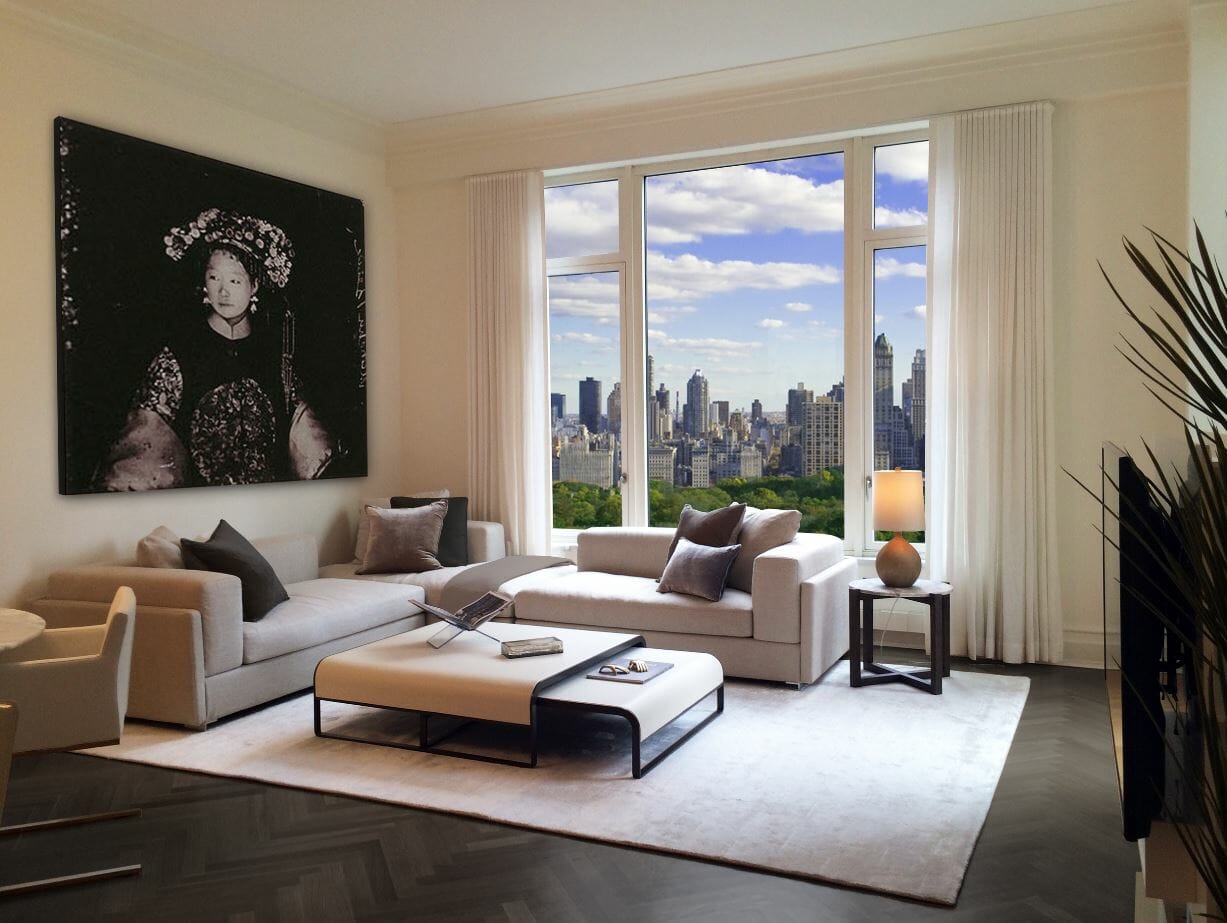
Contours, interweaving patterns, and honed surfaces will have a soothing impact (via NewHomeSource). These touches mimic natural environments and provide a tranquil nook for meditation and self-reflection. Apart from natural light, you can also use artificial illumination for nighttime and dark winter months. In short, place a table lamp in the corner and some sconces on the walls.
Harmonious Living and Dining Spaces
Fresh flowers look great in a Zen room and are the simplest way to bring nature into your home. Place candles around your room and light them in during the evenings to create a feeling of comfort and instill calm to your environment. This will enhance the mood and relaxing atmosphere of your Zen interior design. Diffused lighting, LED strip and concealed lighting would be beneficial components of your design. Try to keep your walls bare, or show artwork that has been well placed in synchronization with your space. It is also possible to select a wallpaper however, this kind of feature would have to be an addition to the tranquility of your room so be careful to select the most agreeable type.
INTERIOR DESIGNER IN MALIBU
A Japandi-Style Home Transforms Into a Zen Paradise - Architectural Digest
A Japandi-Style Home Transforms Into a Zen Paradise.
Posted: Thu, 25 Feb 2021 08:00:00 GMT [source]
According to The Spruce, bamboo blinds are a great way to darken a room when necessary. Besides providing privacy, these harmonize with natural elements and are easy to maintain and adjust. The white and light wood colour scheme ups the spaciousness of the home, while the rotating TV feature wall is the star of the living room design. The sleek marble pattern helps to increase the luxury factor of the design and emphasise the focal point of the zen interior design. The white colour scheme creates a clean and clutter-free look while the addition of wood accents interweaves a sense of warmth and cosiness into the home.
Zen Interior Design – How to Achieve Inner Peace for Your Home
Create a Zen Getaway With an Interior Courtyard - Mansion Global
Create a Zen Getaway With an Interior Courtyard.
Posted: Wed, 24 Jul 2019 07:00:00 GMT [source]
The result is a very organic path, another example of combining the traditional and contemporary. You may have noticed that Japanese Zen Gardens involve a large number of natural stone products. To help those of you who are new to the world of landscape rock, we asked Kohei to act as our personal guide to his favorite stone choices. Here are specific examples of his go-to products, plus what he looks for when visiting a landscape rock yard like Southwest Boulder & Stone.
Minimalist Furniture
I would recommend a table lamp, a floor lamp, and an overhead light or wall sconces. Use light, gauzy fabrics in your living room and add ties so you can secure them during the day. First of all, you should make sure that you’re not blocking any of that natural goodness. Move any bulky furniture in the way of your windows to maximize the light in your rooms. With decorative touches, the more you have, the less you can appreciate them.
For example, you can get bamboo-made pieces like chairs and coffee tables. Bamboo is a decorative and sustainable natural material that gives places a calm feel. Consider incorporating traditional art elements from Japanese culture to make the ultimate zen statement. Tapestries, decals, metal wall art, murals, and canvas prints are great ideas for your nest. Make sure you keep zen wall decor low-profile and minimal to avoid disrupting the balance of the space.

Choose streamlined furniture
Its green leaves are bright and soothing and keep the room full of life. Restrained décor creates a simple palette that feels open and soothing. It aims to clear your mind of all the unnecessary thoughts cluttering your brain. We can glean inspiration from the Zen way of living and interior design practices. Then, we can apply certain aspects to our own homes to create a calm, relaxing space to live in. Most importantly, the furniture you select should have seamless, straight, low lines.
Since decluttering the home is crucial to achieving a zen atmosphere, think of places to store various items you wish to keep. Specifically, everything you possess must have a designated spot so that you'll know where objects belong and keep your home tidy. Minimal design goes hand-in-hand with renouncing unnecessary belongings. Before deciding what stays and what goes, make sure you have enough storage space. According to LJ Hooker, storage cubes, baskets, closets, and bookshelves are practical ways to store possessions.
First, ensure you aren't blocking sun rays from getting into your place. It would be best to relocate bulky furniture and heavy curtains away from the windows to let sunlight inside. As for bedrooms, you'd probably like to control the natural light reflecting in the room.
It also gives a sleek and stylish appearance that matches a zen interior design well. Designed by Schemacraft, this condominium has a classy and sophisticated zen interior design. With sprawling marble floors that visually enhance the space available, this zen style interior design home manages to perfectly capture the essence of zen calmness. Less is more is a staple of zen interior design and this applies most when it comes to incorporating decor.
Join us as we explore the key elements to create a tranquil and uncluttered living space with nature, decluttering, and open spaces in mind. At the heart of Zen Japanese interior design is the concept of Wabi-Sabi, a traditional design philosophy that embraces the beauty of imperfections, natural aging, and simplicity. Wabi-Sabi aims to create a Zen atmosphere aligned with seven design principles, one of which is Kanso, or simplicity. This philosophy encourages the use of natural materials, subtle textures, and muted colors to evoke a sense of authenticity and tranquility. In addition to natural materials, Japanese Zen interiors also incorporate organic forms in their design. For example, the sinuous lines of a bonsai tree or the asymmetrical shape of a stone can serve as a counterpoint to the clean lines and sharp angles of minimalist interiors.
Whether it's a wooden bed frame (to symbolize support) or a pair of potted plants for each nightstand, "We are wired to feel at ease in the company of nature," Gordon says. To ramp up the tranquility, zen bedrooms are designed to let in as much natural light as possible. If you don't have floor-to-ceiling windows like this lovely space, then add some rattan pendant lighting to keep it well-lit. Imagine walking into a space that instantly calms your senses, embraces minimalism, and creates a Zen-like harmony. The influence of Japanese Zen principles in modern interior design has led to the creation of unique and captivating interiors blending functionality with simplicity.
He founded his business, Modern Zen Garden, locally in Valley Center and quickly rose to prominence as the go-to designer for traditional Japanese landscaping and Zen Gardens. One of his projects was recently awarded the 2017 Garden of the Year from San Diego Home & Garden Magazine. Capture this concept, and you’ll be on your way to understanding the principles behind Japanese landscaping. The oft-cited, quintessential example of a Zen Garden is the Ryoan-ji Temple in Japan.
Paired with more neutral elements in the rest of the space, this zen living room is just the thing to quiet a busy mind at the end of a hectic day. But warm, earthy colors like brown and burnt orange are also excellent for zen homes. Practically, that means that zen homes will have lots of space to breathe. They aren’t cluttered, bright, or attention-grabbing with vibrant colors. Instead, they are calm areas that invite you to relax and be present in the moment.


No comments:
Post a Comment